
TL;DR
- Interior rendering services convert plans and mood boards into photorealistic images that help clients decide, and help you sell, before a single wall is built.
- Expect to pay roughly R2,500–R12,000 per still image in South Africa, with turnaround of three to ten working days depending on complexity.
- The quality of your render depends less on software and more on the brief — reference photos, materials, and lighting intent do the heavy lifting.
What’s in this guide
- What are interior rendering services?
- Why do renders sell rooms before they exist?
- What do interior rendering services cost?
- How do you brief a rendering studio?
- Types of interior renders compared
- How to choose the right studio
- Key takeaways
- Frequently asked questions
The client stood in an empty shell of a Sandton apartment, dust on the floor, wires hanging from the ceiling, and frowned. She could not see it. Not the warm oak floors, not the brass pendant lights, not the way morning sun would spill across the kitchen island. To her, it was a building site. Interior rendering services exist for exactly that moment — the gap between what you imagine and what a client can actually picture in their mind.
I have watched a single image close a deal that three site visits could not. There is something almost unfair about it. Show someone a photorealistic room and their brain stops treating it as a proposal. It starts treating it as a memory.
This guide is for the developers, architects, interior designers, and small studio owners trying to decide whether to invest in rendering — and how to do it without wasting money. Let me walk you through what I have learned.
What are interior rendering services?
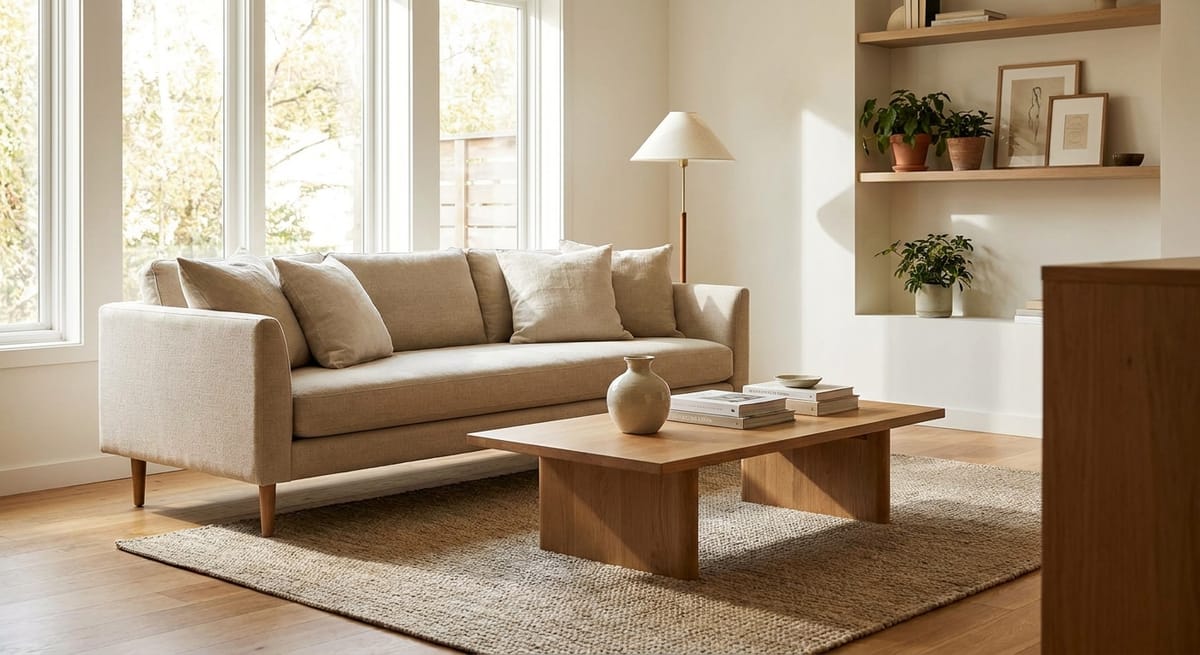
Interior rendering services are professional 3D visualisation offerings that transform floor plans, sketches, and material choices into photorealistic images of a room before it is built or furnished. In plain terms, they let you see the finished space in advance.
The process usually runs in three stages. First, a 3D artist builds an accurate model of the room from your drawings. Then they apply materials, textures, and lighting — the oak floor, the matte-black tapware, the late-afternoon glow. Finally, powerful software calculates how light bounces around the space and produces a final image, often indistinguishable from a photograph.
The result can be a single still, a walkthrough animation, or an interactive 360-degree panorama. According to Autodesk’s rendering documentation, modern engines simulate real-world physics of light, which is why a good render feels less like a drawing and more like a photograph taken through a window that does not yet exist.
Why do renders sell rooms before they exist?
Renders sell because human decision-making is visual and emotional first, rational second. A photorealistic image bypasses the mental effort of imagining a space and delivers the feeling of already owning it.
There is real psychology underneath this. When we picture ourselves inside a space, we form what researchers call anticipated ownership — and the harder our brains work to imagine something, the less confident we feel about the decision. A render removes that friction. It hands the client the finished dream on a plate.
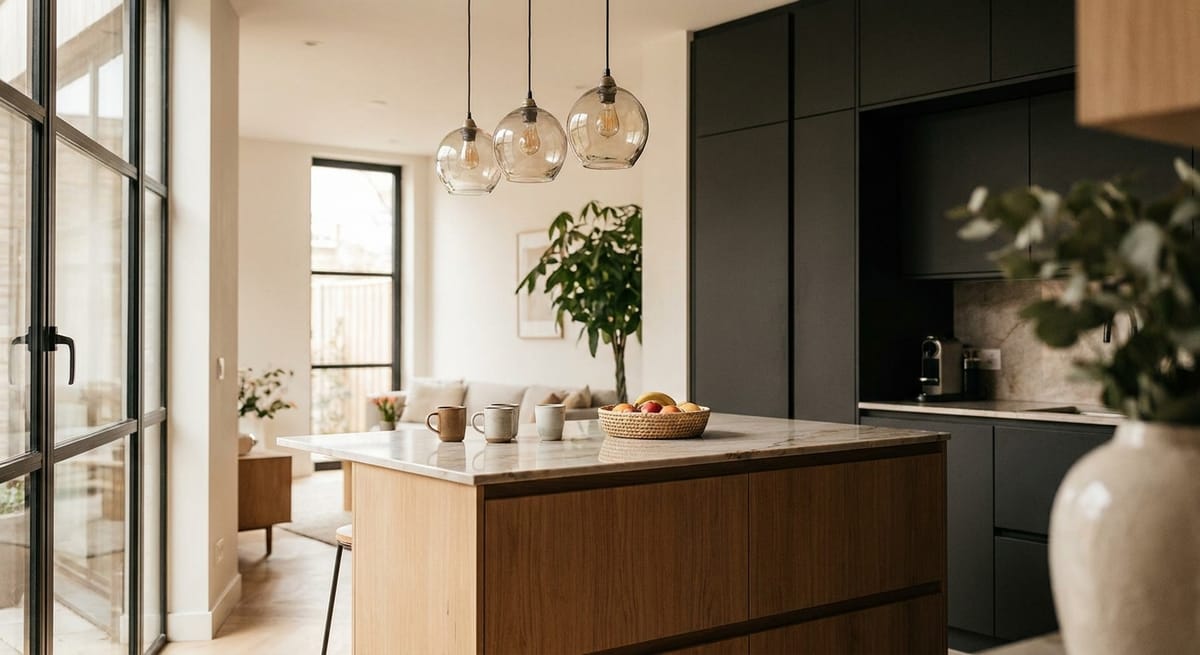
I think of it like the difference between reading a recipe and smelling the dish. One is information. The other is desire. A well-lit render of a bathroom — steam implied, towels folded, warm light on the tiles — creates desire in a way a spreadsheet of finishes never will.
For property developers, this matters commercially. Off-plan sales depend entirely on buyers trusting a promise. The National Association of Realtors has long documented that visually staged and presented properties sell faster and closer to asking price. A render is staging for a room that does not exist yet.
What do interior rendering services cost?
In South Africa, expect to pay roughly R2,500 to R12,000 for a single still image, with the final figure driven by resolution, complexity, and how much detail your brief demands. Animations and interactive tours cost considerably more.
Price is not arbitrary. A simple bedroom with a handful of furniture pieces takes far less time than an open-plan living, dining, and kitchen space with reflective surfaces, plants, and dozens of props. Every reflection and every soft shadow is a calculation, and calculations cost hours.
Here is a rough guide to what different formats cost and deliver in the local market. Treat these as directional — every studio prices its own craft.
| Format | Typical cost (ZAR) | Turnaround | Best for |
|---|---|---|---|
| Standard still image | R2,500–R6,000 | 3–5 days | Single rooms, listings, mood approval |
| High-detail still | R6,000–R12,000 | 5–8 days | Marketing, magazine, hero shots |
| 360° panorama | R8,000–R15,000 | 5–10 days | Virtual tours, off-plan sales |
| Walkthrough animation | R25,000+ | 2–4 weeks | Developments, investor pitches |
One thing worth saying plainly: cheaper is not always thriftier. A R2,000 render that fails to convince a buyer has cost you the sale, not saved you the fee. I would rather pay for one image that closes than three that merely decorate. If you are weighing the numbers, our guide to 3D rendering costs explained breaks the pricing logic down further.
How do you brief a rendering studio?
A good brief is the single biggest factor in getting a render you love on the first attempt. Give the artist your plans, your materials, your lighting intent, and reference images — and you halve the revision cycle.
The mistake I see most often is vagueness. “Make it modern and warm” means nothing to an artist. It means fifty different rooms. Specificity is a gift to everyone involved. Here is what a strong brief contains.
- Accurate drawings — floor plans and elevations with real dimensions, not rough sketches.
- Material schedule — exact flooring, paint codes, tiles, and finishes, with product links where possible.
- Reference images — three to five photos of the mood, lighting, and style you want. Pinterest boards are perfect.
- Time of day — bright morning light and golden evening light produce entirely different emotions.
- Camera angles — which views matter, and what story each should tell.
Think of it the way a director thinks about a scene. You are not just describing a room. You are describing a feeling at a moment in time. The more of that feeling you hand over, the closer the first draft lands. Our piece on how to brief a 3D artist goes deeper if you want a template.
Types of interior renders compared
The main formats are still images, 360-degree panoramas, and animated walkthroughs — and the right one depends on whether you are selling, planning, or presenting. Each does a different job.
Still images
The workhorse. One considered angle, beautifully lit, ideal for property listings, social media, and getting design sign-off. Most projects start and end here.
360-degree panoramas
These let a viewer look around an entire room from a fixed point, usually through a headset or a browser. Powerful for off-plan buyers who want to feel the space rather than judge a single frame.
Walkthrough animations
A short film that moves through the space. Expensive, time-consuming, and unbeatable for investor presentations and marquee developments where the budget justifies the drama.
How to choose the right studio
Choose a rendering studio by its portfolio, its communication, and its revision policy — not by price alone. A cheap render that misses the brief is the most expensive image you will ever buy.
Start with the work. Look for renders that feel like photographs, not video-game screenshots. Pay close attention to lighting and materials — plastic-looking wood and flat, shadowless light are the tells of an inexperienced artist. According to Chaos, the makers of V-Ray, believable global illumination is what separates amateur from professional work, and your eye can spot it even if you cannot name it.
Then interrogate the process. How many revisions are included? What happens if you need a change after sign-off? A studio that is confident in its craft will offer a clear revision policy — a quiet form of risk reversal that tells you they intend to get it right.
Finally, judge the conversation itself. Did they ask sharp questions about your brief, or nod along? The artists who ask the most questions early tend to deliver the fewest surprises later. That, more than any showreel, is the signal I trust.
Key takeaways
- Interior rendering services turn plans and mood boards into photorealistic images that help clients decide and help you sell before construction begins.
- Renders work because they remove the mental effort of imagining a space, replacing hesitation with anticipated ownership.
- In South Africa, budget roughly R2,500–R12,000 per still image, with animations starting around R25,000.
- The brief matters more than the software — supply accurate drawings, exact materials, reference images, and a clear lighting intent.
- Choose a studio on portfolio, communication, and revision policy rather than the lowest quote.
Frequently asked questions
What are interior rendering services and who needs them?
Interior rendering services are professional 3D visualisation offerings that turn floor plans and material choices into photorealistic room images before construction. Property developers, architects, interior designers, and estate agents use them to secure off-plan sales, win design approval, and market spaces that do not physically exist yet. Anyone selling a vision rather than a finished product benefits.
How much do interior renders cost in South Africa?
A single still image typically costs between R2,500 and R12,000, depending on room complexity, resolution, and detail. High-detail hero shots sit at the top of that range, 360-degree panoramas run R8,000–R15,000, and full walkthrough animations start around R25,000. Complexity, reflections, and prop density drive the price more than the room size itself.
How long does a render take to produce?
Most standard still images take three to five working days from an approved brief. High-detail images and panoramas need five to ten days, while animations can take two to four weeks. The single biggest factor in speed is the quality of your brief — clear references and materials dramatically reduce revision rounds and total turnaround.
What is the difference between a render and a virtual tour?
A render is a single fixed image of a space, while a virtual tour lets viewers look around freely, usually via 360-degree panoramas linked together. Renders are cheaper and perfect for listings and approvals. Tours are more immersive and better suited to off-plan buyers who want to feel a whole space rather than judge one carefully chosen angle.
Can I render a room from just a floor plan?
Yes, a skilled artist can build an accurate render from a dimensioned floor plan alone. The image will be far stronger, though, if you also supply elevations, a material schedule, and reference photos showing the mood you want. A plan tells the artist where walls go. References tell them how the finished room should feel.
If you are ready to turn your plans into images that actually close sales, take a look at our interior rendering services — send us your drawings and we will show you exactly what your space can become, before you spend a rand building it.
Written by David Watts, founder of Watts Digital. I have spent years watching how the right image changes a decision — and I still find it a little bit magical every time.