
TL;DR: AI SEO tools adapt to algorithm changes faster than any human, turning a full day of content optimisation into a couple of hours and freeing you for work that earns. The post reviews seven of the best for 2025 — SurferSEO for content optimisation and six others — each targeting a specific part of your strategy, from keyword research to competitor analysis. Even lean SMB teams can now compete on agility.
Why AI Is Changing SEO in 2026
Let’s face it: The rules of SEO can change overnight. But AI tools adapt quicker than any human can—analysing millions of data points in a flash.
In other words, AI is your fast pass to better search rankings, more leads, and (ultimately) higher profits.
The Rise of AI in Digital Marketing
AI has grown from a niche tech concept into a staple of modern marketing.
Even small businesses can harness machine learning for granular keyword research, robust competitor analysis,
and advanced content audits. As we shared in our
“SEO Best Practices for Small Businesses” article, it’s agility that sets winners apart—and AI is the most agile tool in your kit.
How AI Tools Solve Common SEO Pain Points
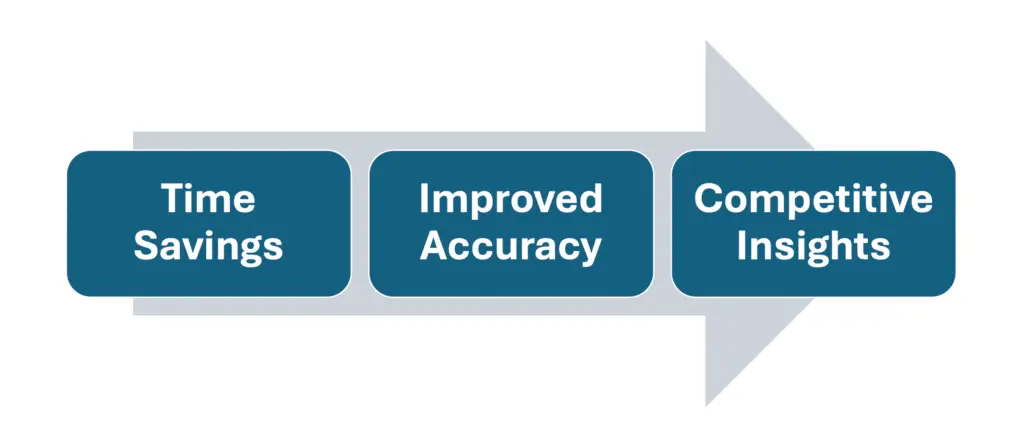
- Time Savings: Data-driven research in seconds, not hours.
- Improved Accuracy: Eliminates guesswork with machine learning algorithms.
- Competitive Insights: Gauges exactly where you stand in your niche.
(Real-world example: One AI-powered platform we tested reduced our content optimisation process from a full day to just two hours—freeing our time for client acquisition.)
The 7 Best AI SEO Tools for 2025
Ready to see which tools are actually worth your time and money? Here are our top picks, each targeting specific aspects of your SEO strategy:
1. SurferSEO — Content Optimisation Made Effortless
SurferSEO benchmarks your page against the current top-ranking results, giving you immediate insights on keyword density,
header usage, and word count. The result: content that’s tailor-made to outpace the competition.
- Key Features: Real-time content scoring, SERP-level benchmarks, WordPress/Google Docs integrations.
- Pricing: Starts at $59/month.
- Use Case: Ideal for in-house teams and solo bloggers seeking quick, data-backed optimisation tips.
2. MarketMuse — AI-Driven Content Strategy
MarketMuse is like having a research assistant who never sleeps. It performs topic modeling, competitor analysis,
and identifies precise content gaps across your site.
- Key Features: Automated content briefs, in-depth gap analysis, comprehensive topic clustering.
- Pricing: Tiers for different business sizes, plus enterprise-level solutions.
- Use Case: Perfect for editorial teams needing data-driven direction for extensive content calendars.
3. Clearscope — Data-Driven Topic Recommendations
Clearscope uses NLP (Natural Language Processing) to ensure you’re matching user intent as closely as possible.
It even provides a “content grade,” based on how well your text aligns with your target keyword and its semantic neighbors.
- Key Features: Semantic keyword analysis, content grading, competitor comparisons.
- Pricing: Plans start around $170/month.
- Use Case: Writers and editors who want real-time feedback on how to position content for maximum relevance.
4. Frase — AI-Assisted Content Briefs & Optimisation
Frase speeds up your research by scanning top SERPs for a particular keyword. It then produces an automated content brief,
highlighting which questions to answer and which topics to cover to outperform competitors.
- Key Features: Automated content briefs, real-time text editor, question research.
- Pricing: Starts at $14.99/month.
- Use Case: Content teams who need a roadmap for building high-value articles quickly.
5. BrightEdge — Enterprise-Level AI SEO Platform
BrightEdge is trusted by some of the largest brands worldwide. It offers real-time keyword tracking, competitor benchmarks,
and advanced analytics that transform raw data into actionable tasks.
- Key Features: Automated content recommendations, large-scale tracking, integrated analytics.
- Pricing: Requires a custom quote—enterprise-focused.
- Use Case: Large websites and companies seeking an all-in-one platform for SEO and content performance.
6. SEMrush with AI Add-Ons — Multi-Functional SEO Suite
SEMrush is well-known for its expansive toolkit. Add in their AI-powered features (like the SEO Writing Assistant),
and you have a robust, multi-purpose marketing suite that can handle everything from site audits to social media posting.
- Key Features: Keyword Magic Tool, SEO Writing Assistant, site audits, competitor research.
- Pricing: Starts at $119.95/month for Pro plans, with optional AI features.
- Use Case: Ideal for marketers who want a comprehensive, all-in-one SEO and marketing solution.
7. Botify — AI-Powered Technical SEO Insights
Botify specializes in advanced site audits and log file analysis, perfect for technical SEO geeks.
If your site has thousands of URLs and you suspect crawling or indexing issues, Botify’s machine learning engine
quickly diagnoses and recommends solutions to keep you visible.
- Key Features: Log file analysis, crawl budget optimisation, advanced site auditing.
- Pricing: Custom enterprise-level packages.
- Use Case: Large, complex websites needing a deep dive into technical performance bottlenecks.
How Watts Digital Can Help You
If you’re serious about dominating your niche and skyrocketing your conversions, it’s time to bring in the pros.
At Watts Digital, we don’t just hand you a list of tools—we help you implement them in a way that directly boosts your bottom line.
Whether you’re a small business venturing into AI-driven marketing for the first time or an established enterprise
ready to automate high-level SEO tasks, our tailored solutions will transform your digital presence.
Don’t lose another day to guesswork.
Take action now:
Schedule Your Free Strategy Call
This is your chance to beat competitors to the punch, secure those top rankings, and watch your leads multiply—all under the guidance of seasoned experts.
How to Integrate AI Tools Into Your Workflow
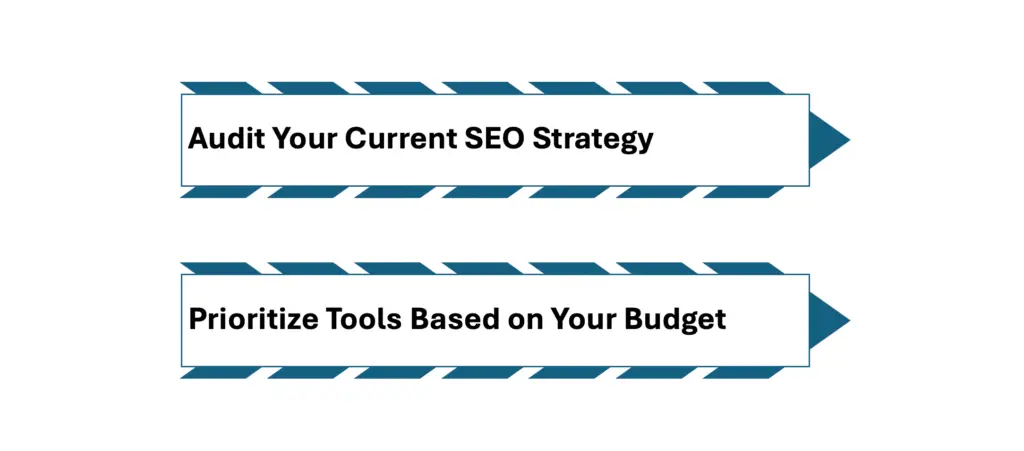
Step 1: Audit Your Current SEO Strategy
Leverage tools like Google Analytics or Search Console to identify key areas for improvement.
Compare these insights to your cornerstone posts—like
“The Complete Guide to AI-Driven Marketing”—to see where AI integration can provide the biggest lift.
Step 2: Prioritize Tools Based on Your Budget
Some tools—like Frase or SurferSEO—are friendly to lean budgets, while others (BrightEdge, Botify) cater to enterprise-level needs.
Carefully assess which features will deliver the maximum ROI for your unique situation.
Future-Proofing Your SEO with AI
AI algorithms learn from millions of data points daily, adapting to changes in user behaviour and search engine updates.
That means your SEO strategies stay relevant in a constantly shifting digital landscape.
The more you feed these tools and refine your approach, the bigger your advantage grows.
Image Generation & Optimisation
- Custom Graphics: Use MidJourney or DALL·E to create an eye-catching image of a robot analysing SEO data.Alt Text: “AI analysing SEO metrics and keyword rankings.”
- Infographics: Consider designing a clear flowchart in Canva summarizing the 7 AI tools.Alt Text: “Step-by-step AI SEO tool integration process.”
- File Optimisation: Keep image sizes under 200 KB and use descriptive filenames
(ai-seo-tools-2025-robot.jpgfor instance).
AI Search Optimisation
FAQ Section
Q: Will AI replace SEO specialists?
A: No. AI handles the heavy lifting for data collection and analysis, but you still need strategic insight from a skilled marketer or agency to make the final calls.
Q: Are AI SEO tools cost-effective?
A: They can be. Prices range from $15/month to over $1,000/month, but they often pay for themselves by saving hours of manual labor and boosting revenue.
Q: Can AI tools guarantee top rankings?
A: Nobody can promise first place on Google. AI tools provide the best data and recommendations, but you also need quality content, a sound strategy, and persistent effort.
Schema Markup & Structured Data
If you want to maximise visibility, consider adding SoftwareApplication schema for each tool you mention.
Structured data for FAQs, how-to sections, and product details can also increase the odds of appearing in featured snippets.
Final Suggestions for Maximum Impact
- Repurpose Content: Turn this blog post into LinkedIn slides, a short podcast episode, or an email series—each channel brings in new prospects.
- Promote: Drop compelling stats from this post on social media. Use hashtags like #SEO, #AIMarketing, and #DigitalMarketing to draw a targeted audience.
- Update Cycle: Check back quarterly. AI and SEO evolve rapidly, so refreshing your stats and recommendations keeps your post evergreen and authoritative.
Armed with these seven AI-powered SEO tools, you are positioned to compete in your niche through 2026 and beyond.
Remember, the best time to take action was yesterday. The second-best time is right now.
Use these tools, lean on the right experts, and you’ll be leaps and bounds ahead of the competition.
Frequently Asked Questions
Can AI SEO tools replace an SEO specialist?
No — they amplify one. The tools surface data and automate the grind, but interpreting it, setting strategy and judging intent still need a human. Think of them as a fast pass, not the driver.
Are AI SEO tools worth it for a small business?
For most, yes. They compress a day of content optimisation into a couple of hours, which lets a lean team compete on agility against far bigger budgets. The time you reclaim is usually worth more than the subscription.
What is the best AI tool for content optimisation?
SurferSEO is our default for on-page content optimisation — it scores your draft against what is already ranking and shows the gaps. The right pick depends on the job, though; keyword research and competitor analysis call for different tools.
Do AI SEO tools work for South African search results?
Yes, provided you set your target location and language correctly. The underlying data covers South African search, but you must tell the tool to look there rather than defaulting to a global or US view.
Will Google penalise AI-assisted SEO?
Not for using AI to assist. Google penalises unhelpful, low-quality content regardless of how it was made. Use the tools to research and refine, keep a human shaping the final result, and you stay firmly on the right side of the line.
Related reading
- Local SEO for Small Businesses: A 2026 Step-by
- Essential Local Citation Sites
- How to Optimise Your Google Business Profile f
- Google Ads landing page best practices for Sou
Ready to put this into action?
If you’d rather have a team that does this every day, we’re here. Book a free 20-minute consult and we’ll give you the three highest-impact next steps for your business — no obligation.